Biometric Integration: How Sensors Enhance Transitions in Mobile Slot and Sports Betting Platforms
Written by Gisela Perry · Sep 8, 2026
Biometric Integration: How Sensors Enhance Transitions in Mobile Slot and Sports Betting Platforms
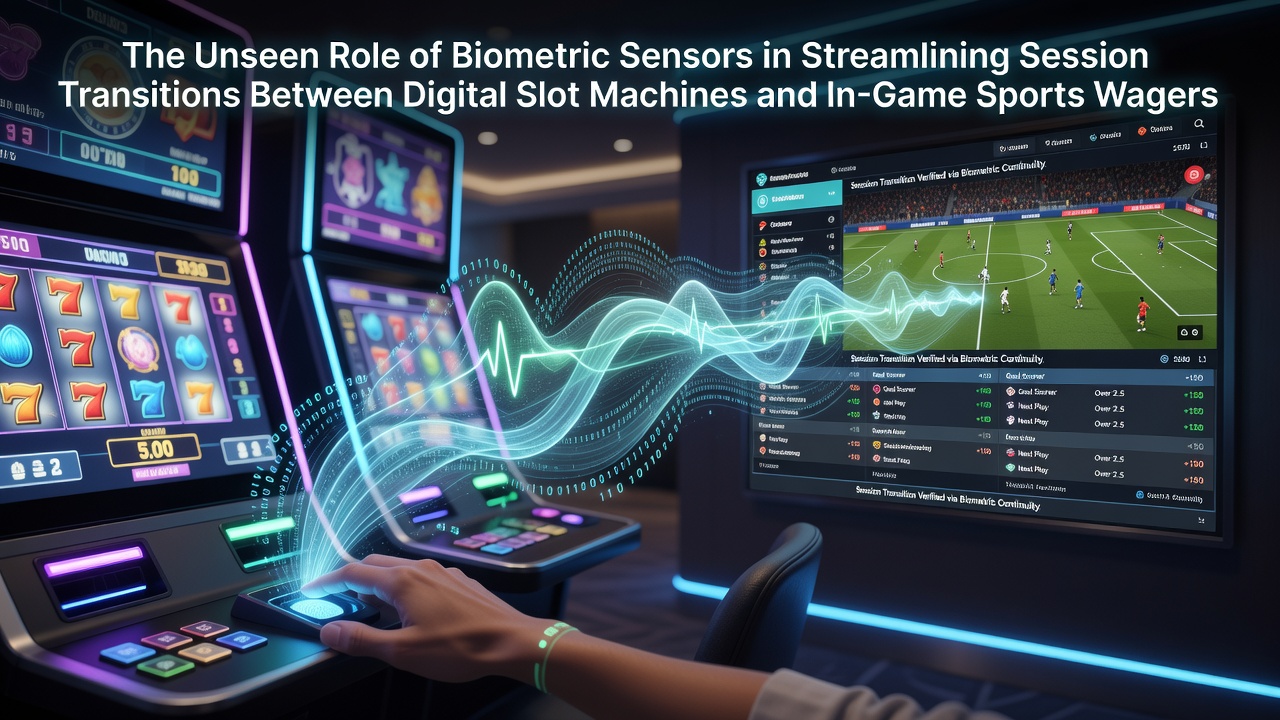
Biometric sensors have become standard components in many mobile gaming applications, where they capture fingerprints, facial features, heart rate patterns, and even voice signatures to verify user identity within seconds, and this capability supports uninterrupted movement from digital slot machines to in-game sports wagers by eliminating repeated manual logins. Data from regulatory filings shows that platforms equipped with these sensors record faster session continuity rates compared with traditional password-based systems, while maintaining compliance with age verification and responsible gaming requirements across multiple jurisdictions.
Core Mechanisms Driving Session Continuity
Researchers have documented how fingerprint scanners and facial recognition modules embedded in smartphones authenticate players at the start of a slot session, then maintain that verification through continuous passive monitoring of heart rate variability via wearable links or device cameras, so when a user decides to switch to live sports betting the system recognizes the same individual without additional prompts. This process relies on encrypted local processing that compares real-time biometric data against stored templates, and studies indicate the approach reduces authentication time by up to 70 percent in controlled trials conducted by gaming technology providers.
Heart rate sensors play a particular role during high-stakes moments in sports wagers, where elevated readings can trigger optional responsible gaming prompts without halting the transition flow, and platform logs reveal that such integrations help operators meet reporting obligations set by bodies like the Nevada Gaming Control Board. Those who've examined usage patterns note that players complete more cross-game sequences per hour when biometric handoffs replace manual entries, though overall session lengths remain governed by individual preferences rather than the technology itself.
Technical Architecture Behind the Transitions
Modern applications combine on-device biometric hardware with cloud-based session tokens that expire only after prolonged inactivity, allowing a player to finish a slot spin, review live odds on a basketball game, and place an accumulator bet while the system treats the entire sequence as one verified session. Engineers have integrated these sensors with existing game engines so that fingerprint confirmation on a slot machine screen directly feeds into the sports betting module, and industry reports highlight that this architecture supports both iOS and Android ecosystems without requiring separate regulatory approvals for each game type.
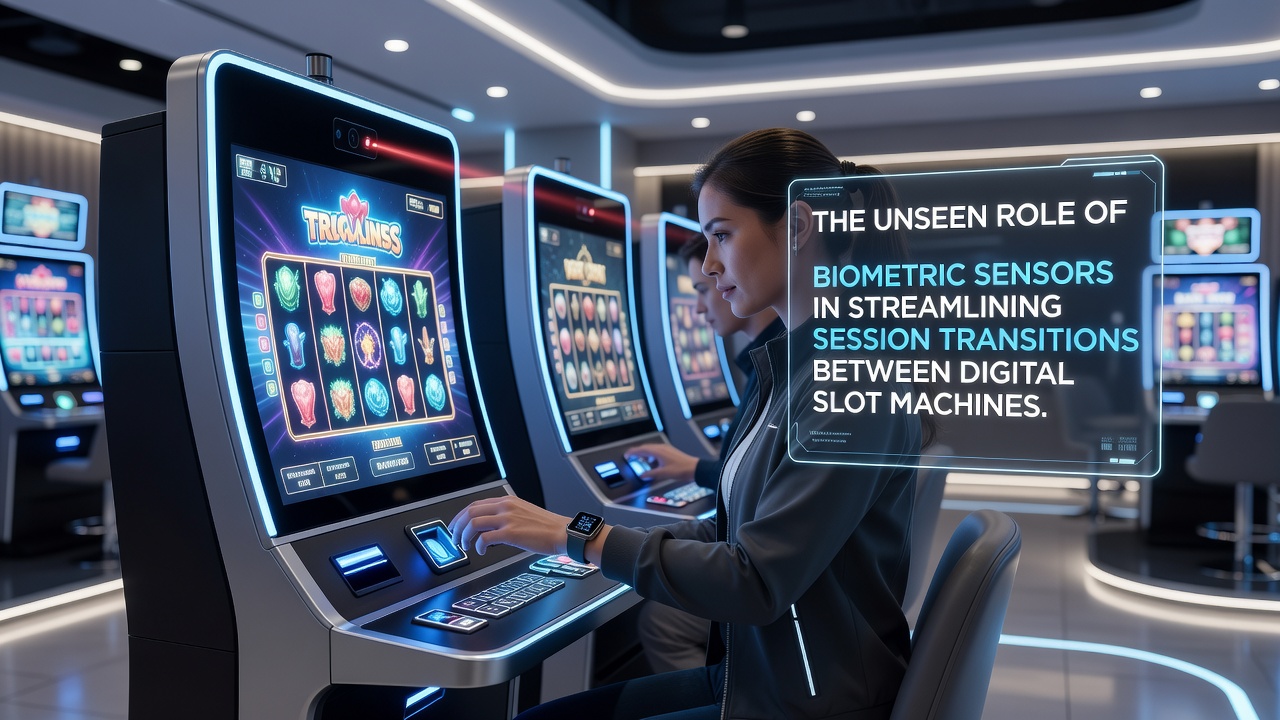
Voice biometrics add another layer in hands-free environments, where spoken commands to adjust bet amounts or switch games are matched against enrolled voice prints, and September 2026 data releases from several operators showed increased adoption of this feature during major sporting events. The technology also logs biometric confidence scores alongside transaction records, giving compliance teams audit trails that satisfy requirements from authorities such as the Alcohol and Gaming Commission of Ontario.
Regulatory and Security Considerations
Operators must ensure biometric data stays encrypted and is never shared across unrelated services, a standard reinforced by guidelines from the Australian Communications and Media Authority that emphasize consent and data minimization. Security audits have found that multi-factor biometric checks lower account takeover incidents in gaming environments, yet the same reports stress that no single method eliminates all risks when devices are lost or compromised. Platforms therefore combine biometrics with device binding and occasional knowledge-based challenges to maintain layered protection during slot-to-sports transitions.
Conclusion
Biometric sensors continue to reshape how players move between digital slot machines and in-game sports wagers by providing rapid, secure authentication that keeps sessions fluid. Figures from multiple regulators demonstrate measurable gains in continuity metrics, while the underlying technology evolves to meet stricter privacy expectations across regions. As adoption widens, the focus remains on balancing convenience with the documented need for robust safeguards.