How Seasonal Reward Structures in Digital Poker Platforms Reshape Accumulator Strategies Across Mobile Sportsbook Interfaces
Written by Greta Griffin · Aug 25, 2026
How Seasonal Reward Structures in Digital Poker Platforms Reshape Accumulator Strategies Across Mobile Sportsbook Interfaces
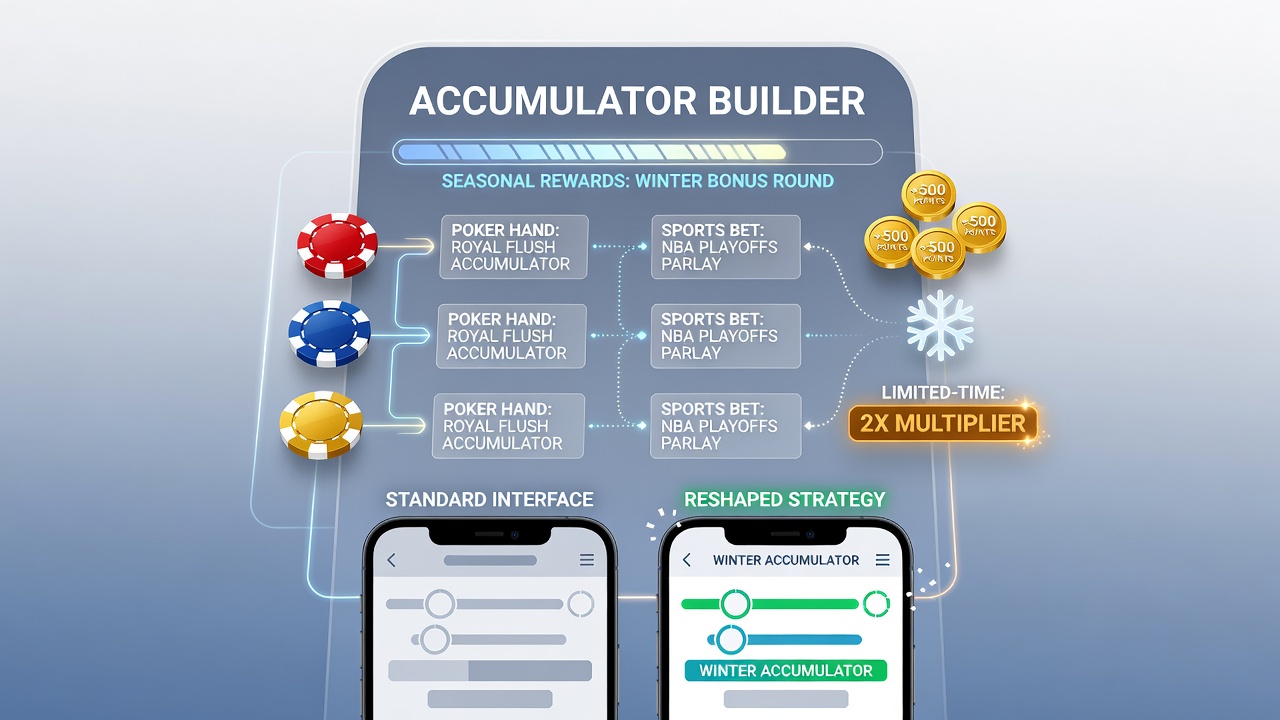
Digital poker platforms have introduced seasonal reward structures that tie player activity to time-bound challenges, leaderboards, and bonus multipliers, and these mechanics now influence how users construct accumulator bets on connected mobile sportsbook interfaces. Operators link poker participation metrics such as hands played or tournament entries to enhanced odds or deposit bonuses that carry over into sports wagering sections, creating pathways where reward tiers alter bet selection patterns during specific calendar periods.
Mechanics of Seasonal Poker Rewards and Cross-Platform Integration
Platforms segment seasons into quarters or themed events that run from spring through winter, and each period features distinct reward ladders that reset at defined intervals. Players earn points through poker volume that unlock higher loyalty tiers, and these tiers grant access to accumulator-specific perks such as boosted payouts on multi-leg parlays or reduced margins on certain sports markets. Data from August 2026 shows increased crossover activity as summer poker series conclude and operators shift focus toward football and basketball accumulators, with reward redemptions rising in mobile apps that host both verticals.
Integration occurs through shared user accounts where poker progress directly feeds sportsbook features, and mobile interfaces display unified dashboards that highlight available accumulator adjustments based on current season status. One platform rolled out a summer challenge that awarded bonus funds for poker milestones, and those funds appeared as wager credits usable only on accumulator slips within the same app ecosystem.
Observed Shifts in Accumulator Construction Patterns
Users adjust leg selection and stake sizing when seasonal rewards are active, often favoring higher-volume combinations that align with bonus thresholds rather than standalone high-odds bets. Research from the UNLV International Gaming Institute indicates that participants in tiered poker programs place accumulators with more legs during active reward windows, since additional payout multipliers offset the inherent risk of longer parlays. Mobile tracking tools reveal that sessions begun in the poker client frequently transition to sportsbook tabs where accumulator builders pre-populate with suggested markets tied to ongoing promotions.

Seasonal resets prompt strategic timing, with many players delaying accumulator placements until new reward cycles begin so they can maximize multiplier effects across both poker and sports products. Figures from the Victorian Commission for Gambling and Liquor Regulation highlight similar patterns in Australian markets where cross-product loyalty schemes correlate with elevated parlay volumes during seasonal transitions. Operators note that accumulator completion rates climb when users carry forward poker-derived credits, because those credits reduce effective stake requirements and encourage experimentation with previously avoided market types.
Technical and Regulatory Context in Mobile Environments
Mobile apps employ real-time APIs that sync reward balances between poker and sportsbook modules, allowing instant updates to accumulator odds displays when a player achieves a new tier. Regulatory frameworks in multiple jurisdictions require clear separation of gaming verticals yet permit shared loyalty systems, provided operators maintain transparent audit trails for bonus fund origins. In August 2026 several platforms updated their mobile interfaces to surface seasonal reward progress meters directly within accumulator builders, reducing friction for users who manage both poker and sports activity in a single session.
These updates rely on geolocation and account verification protocols that ensure compliance while delivering personalized reward visibility. Observers note that accumulator strategy adjustments become more pronounced in regions with mature mobile integration, where users routinely switch between poker tables and live sports odds without leaving the application.
Conclusion
Seasonal reward structures continue to link poker activity with accumulator decisions on mobile sportsbook interfaces through shared loyalty mechanics and cross-vertical credit systems. Data patterns from 2026 demonstrate measurable changes in bet construction timing, leg count preferences, and stake allocation when reward cycles align across platforms. Operators maintain these connections under existing regulatory oversight while refining mobile interfaces to support fluid movement between poker challenges and sports wagering tools.