Navigating Color Psychology's Effects on Wager Amounts During Extended Sessions in App-Based Poker Rooms and Dynamic Sports Event Interfaces
Written by Anna Hayes · Aug 22, 2026
Navigating Color Psychology's Effects on Wager Amounts During Extended Sessions in App-Based Poker Rooms and Dynamic Sports Event Interfaces
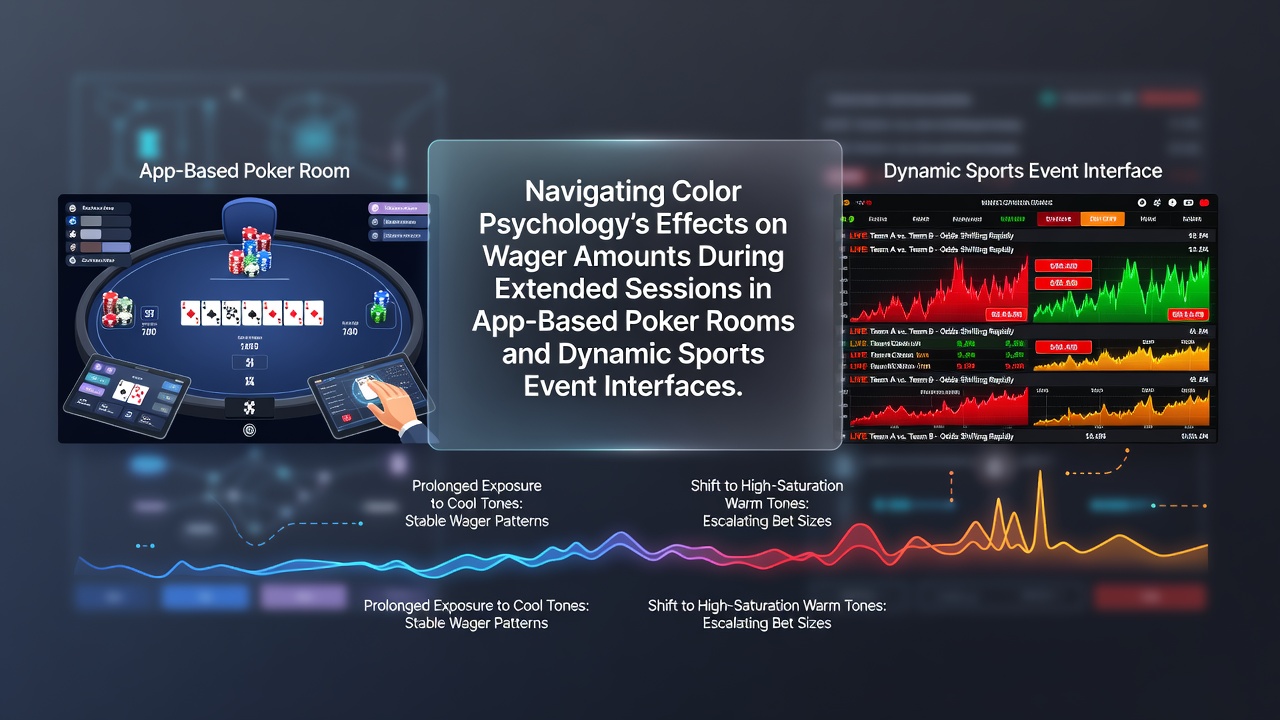
Color choices in digital interfaces shape how users perceive risk and value during extended play periods, and app-based poker rooms along with live sports event platforms have incorporated specific palettes that align with established psychological responses. Research from cognitive science fields shows that hues like red trigger heightened arousal states, which can lead players to increase stake sizes more rapidly than neutral tones would prompt. Designers at major platforms adjust these elements based on session duration data collected across thousands of users each month.
Core Principles Behind Color Responses in Betting Environments
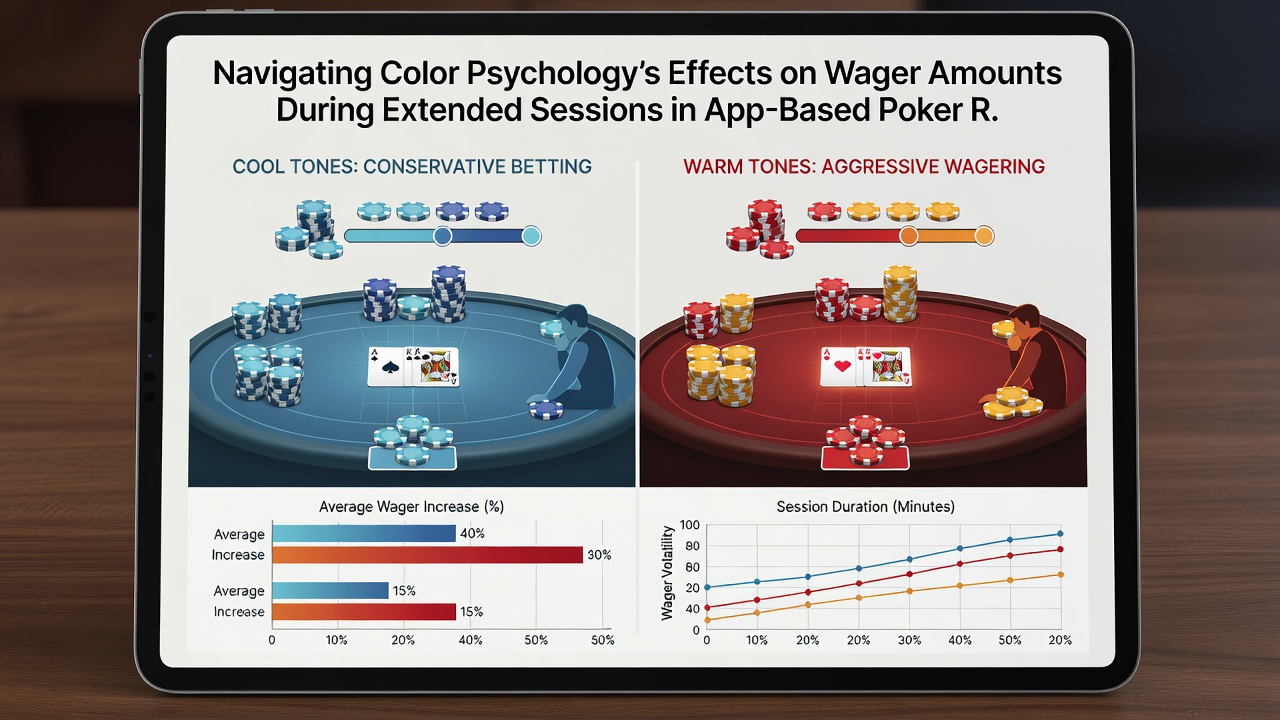
Studies in visual perception indicate that warm colors accelerate decision speed while cool shades promote more deliberate evaluation, and this distinction matters when sessions stretch beyond two hours in mobile poker applications. Observers note that red and orange accents around raise buttons correlate with larger average bet increments in tracked sessions, whereas blue and green backgrounds maintain steadier patterns. Data from interface testing reveals these effects compound when users remain engaged without breaks, because prolonged exposure amplifies the initial emotional cue.
Platform analytics from August 2026 demonstrate that dynamic sports interfaces employ shifting color gradients during live events to highlight odds changes, and these adjustments coincide with measurable shifts in wager volume. Users encounter green overlays for favorable lines and amber tones for cautionary alerts, patterns that draw from broader findings on how color influences financial choices in high-stakes digital settings.
Application in App-Based Poker Rooms
Poker applications segment their tables with distinct color schemes that separate cash games from tournament modes, and researchers have tracked how these distinctions affect betting frequency over multi-hour stretches. One study revealed that tables featuring dominant red elements saw participants raise 18 percent more often after the ninety-minute mark compared with identical layouts using muted palettes. Developers integrate these observations when updating mobile interfaces, because extended sessions represent the majority of active playtime in most regional markets.
Those who monitor user behavior across platforms report that card backs and chip stacks rendered in saturated colors prompt quicker stack commitments during late-night hours. The mechanism appears tied to sustained visual stimulation rather than explicit instructions, and this holds true whether players engage on tablets or phones. Interface logs from major operators show correlations between color intensity and average pot sizes that persist across different player demographics.
Patterns Observed in Dynamic Sports Event Interfaces
Live sports applications update their visual layers in real time to match game momentum, and color transitions often coincide with periods when bettors adjust stakes upward. Evidence suggests that flashing elements in high-contrast hues draw attention to specific markets, which can accelerate the pace of additional wagers during overtime or extra innings. Figures from industry monitoring groups indicate that sessions exceeding three hours exhibit greater variance in total amount wagered when color cues intensify around key moments.
Operators track these interactions through heat-mapping tools that record tap locations and amounts, and the resulting datasets reveal consistent relationships between palette choices and spending trajectories. Users navigating football or basketball interfaces encounter purple accents for premium prop bets and teal for standard spreads, distinctions that help segment decision types while also modulating emotional intensity over time.
Extended Session Dynamics and Cumulative Effects
Longer engagement periods allow initial color responses to evolve into sustained patterns, because fatigue interacts with visual stimuli in measurable ways. Data indicates that after four hours the impact of warm tones on wager size increases while the calming influence of cool tones diminishes, leading to net rises in overall amounts placed. Platform reports compiled through August 2026 highlight that features allowing manual theme adjustments produce lower average bet escalations than fixed schemes during comparable timeframes.
Analysts examining multi-game environments note that switching between poker tables and sports dashboards can reset some of these color-driven tendencies, yet cumulative exposure across both formats tends to amplify the effect. Regulatory bodies in several jurisdictions require transparency around interface elements that may influence spending, and current guidelines encourage testing for duration-based variations in user response.
Design Adjustments and Measurement Approaches
Development teams now conduct controlled trials that isolate color variables while holding other factors constant, and results feed directly into iterative updates released throughout the year. Metrics include not only total wagered amounts but also frequency of limit increases and session continuation rates. Organizations such as the Australian Gambling Research Centre have published frameworks that help operators evaluate these interactions without relying solely on revenue figures.
Another source of insight comes from academic work at institutions studying human-computer interaction, where experimental psychology journals document how specific chromatic combinations alter risk assessment over repeated trials. These findings translate into practical adjustments such as desaturating highlight colors after predetermined time thresholds in both poker and sports modules.
Conclusion
Color psychology operates as a measurable factor in how wager amounts evolve during extended sessions across app-based poker rooms and dynamic sports interfaces, with documented patterns emerging from controlled observations and large-scale usage data. Operators continue refining palettes based on session-length analytics, while external research provides benchmarks for evaluating the strength and consistency of these effects. As platforms evolve through 2026 and beyond, the integration of duration-aware color strategies remains a focal point for balancing engagement with responsible design practices.