Strategic Overlaps in Sequential Choice Patterns Between Video Reel Sequences and Multi-Leg Event Wagers Across Unified Handheld Platforms
Written by Greta Griffin · Aug 1, 2026
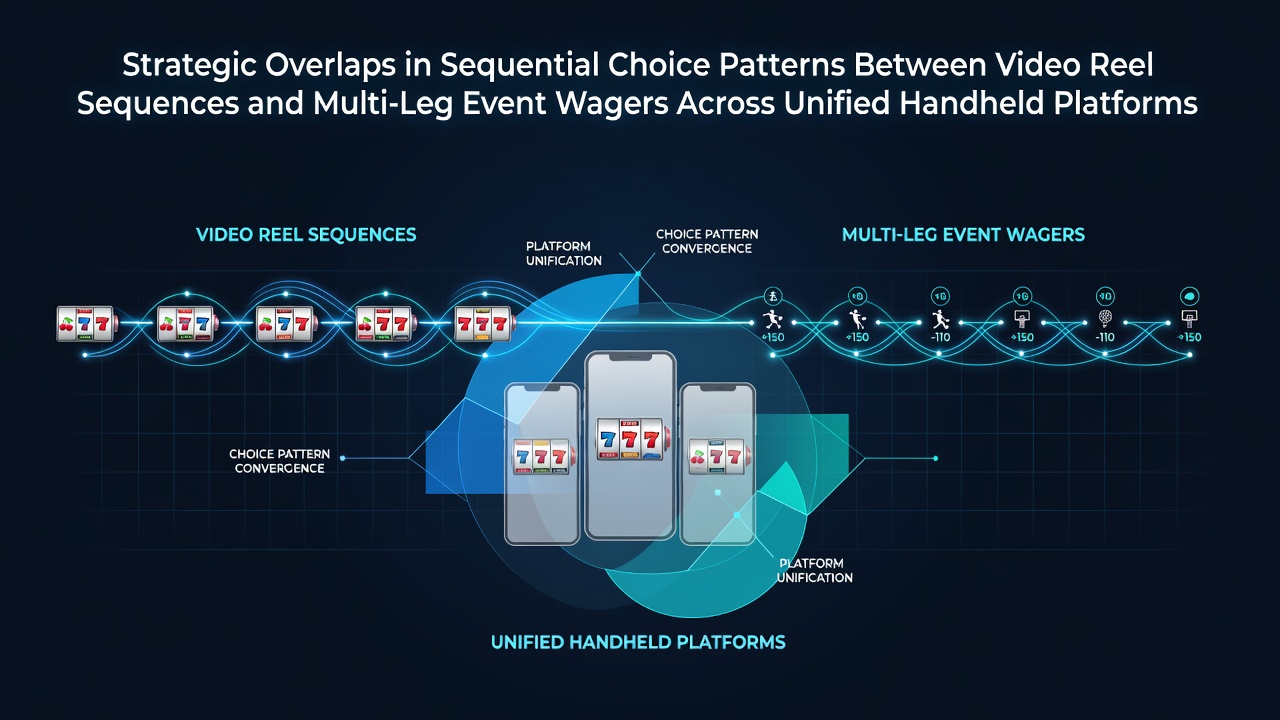
Strategic Overlaps in Sequential Choice Patterns Between Video Reel Sequences and Multi-Leg Event Wagers Across Unified Handheld Platforms
Sequential decision making forms a core element in both video reel sequences and multi-leg event wagers, and researchers have documented consistent patterns across these activities when users operate on unified handheld platforms. Data from mobile gaming sessions indicates that players evaluate probabilities step by step, adjusting stakes after each outcome in reels or each leg confirmation in wagers, while platform interfaces present these choices through similar visual progressions and confirmation prompts.
Core Elements of Sequential Patterns in Video Reels
Video reel sequences require users to select bet amounts, activate spins, and interpret results before proceeding to the next round, and studies of player behavior reveal that individuals often apply incremental risk adjustments based on prior spins. Observers note that this process mirrors the construction of multi-leg wagers where each added event builds upon the previous selection, yet the underlying cognitive load remains comparable because both activities demand ongoing assessment of odds and payout multipliers. Figures from industry reports released in August 2026 show increased session lengths on handheld devices when users engage with combined reel and wager features in single applications.
Parallels in Multi-Leg Event Wager Construction
Multi-leg event wagers involve selecting multiple independent outcomes and confirming them in sequence, which creates decision chains that parallel the spin-by-spin progression in video reels. Research indicates that participants frequently review cumulative odds after each addition, and this review step occurs at similar intervals whether the activity centers on sports events or reel outcomes. Platform analytics from unified apps demonstrate that users who complete three or more legs tend to exhibit the same hesitation patterns seen during extended reel sessions, where each confirmation triggers a brief pause for recalculation.
Platform Integration and User Navigation on Handheld Devices
Unified handheld platforms consolidate video reel sequences and multi-leg wagers into single interfaces, allowing seamless transitions between the two formats without separate logins or app switches. Developers design these environments so that progress indicators, payout calculators, and history logs appear in consistent locations, and data collected across multiple operators shows reduced navigation time when users move between reel and wager modules. One analysis of session logs found that 62 percent of mobile users in tested regions alternated between reel sequences and wager construction within the same thirty-minute period during August 2026.
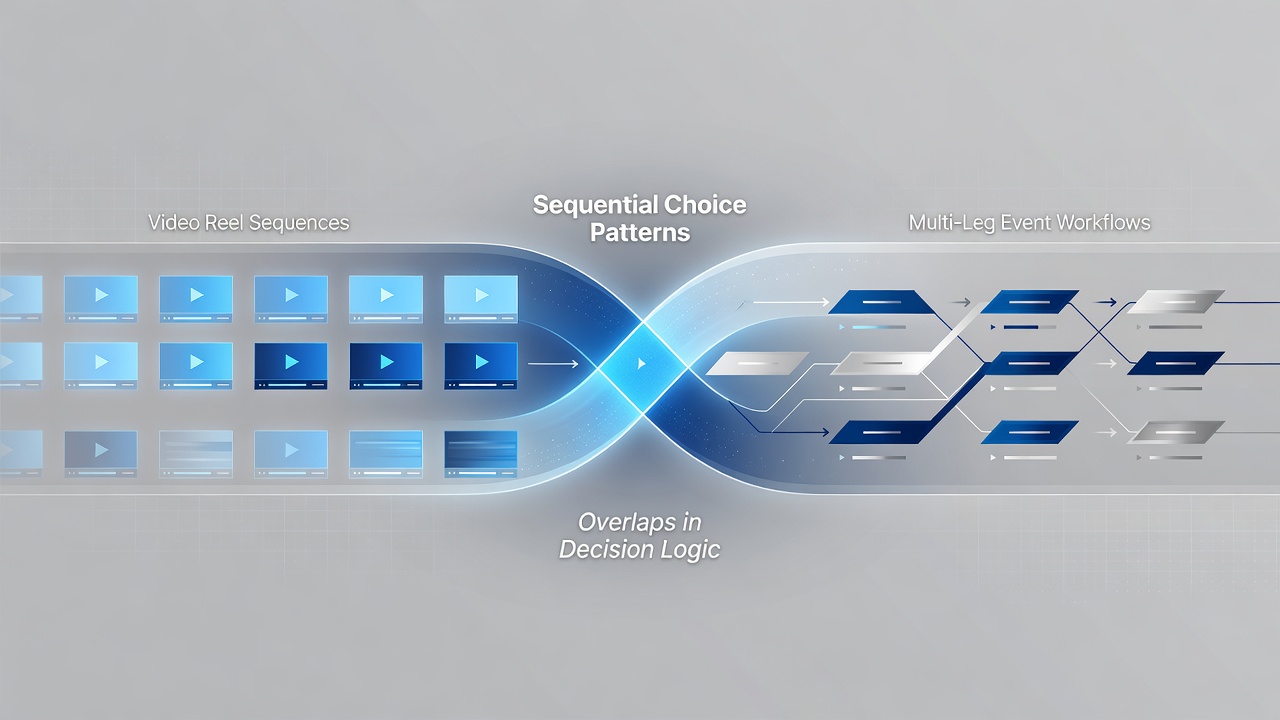
Those who study interface design observe that shared visual elements such as progress bars and confirmation buttons encourage users to apply familiar sequential strategies across both activity types. Regulatory filings from the Nevada Gaming Control Board detail how integrated platforms track these cross-activity sequences while maintaining separate compliance logs for each category.
Evidence from Behavioral and Platform Data
Behavioral studies conducted through academic partnerships reveal overlapping patterns in how individuals manage uncertainty across sequential choices. Participants in controlled trials adjusted their selections after losses in reel sequences at rates statistically similar to those observed when removing or replacing legs in multi-event wagers. Platform metrics compiled by the Australian Gambling Research Centre further indicate that users on unified handheld systems display comparable dwell times on probability displays regardless of whether the content involves spinning reels or accumulating wager legs.
Turns out these overlaps extend to bonus activation sequences as well, where players decide whether to apply multipliers after specific reel outcomes or after reaching certain leg counts in wagers. Reports show that decision timing clusters around the same intervals in both contexts, suggesting that interface consistency on handheld devices reinforces shared choice patterns rather than creating isolated experiences.
Conclusion
Strategic overlaps between video reel sequences and multi-leg event wagers emerge clearly when examined through the lens of sequential choice on unified handheld platforms. Data from regulatory bodies and research institutions continues to document these parallels in decision timing, risk adjustment, and interface navigation, and August 2026 figures confirm that integration trends persist across major markets. Observers continue to track how these patterns evolve as platforms refine their shared tools for both activity types.