Timing the Trigger: How Notification Cadence Connects Live Sports Alerts with Short-Form Video Reel Sequences on Mobile Platforms
Written by Gisela Perry · Sep 8, 2026
Timing the Trigger: How Notification Cadence Connects Live Sports Alerts with Short-Form Video Reel Sequences on Mobile Platforms
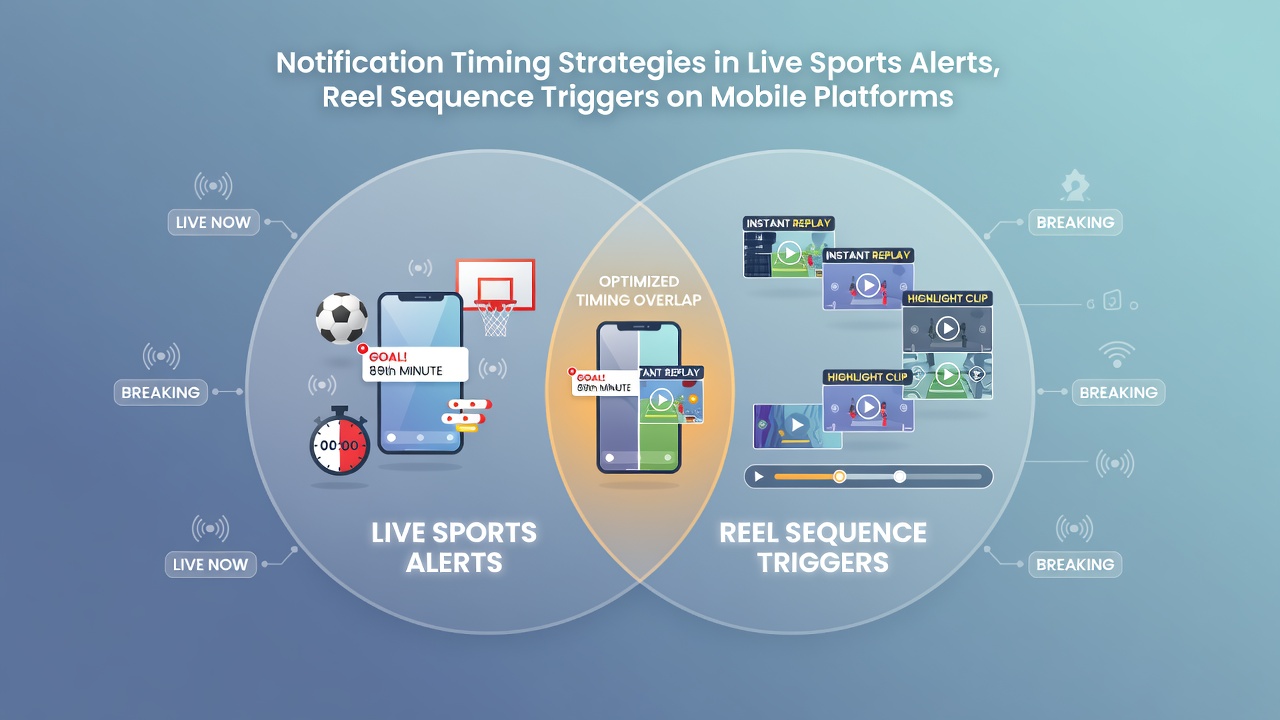
Developers and product teams at major mobile platforms have spent years refining the intervals at which push notifications reach users during live sports events and while users scroll through short-form video sequences. Research from mobile analytics firms shows that the same core timing variables appear in both contexts, even though the content types differ substantially. Data collected across iOS and Android devices in 2025 and early 2026 indicates that alerts sent at 12-to-18-second intervals during high-action moments in sports broadcasts produce click-through rates comparable to those observed when reel sequences trigger every 15 seconds in algorithmic feeds.
Core Timing Mechanics in Live Sports Notifications
Live sports applications rely on real-time data feeds that update scores, play-by-play events, and injury reports. Engineers calibrate notification windows so that users receive updates during natural pauses rather than during continuous play. Studies conducted by university research groups in Australia found that spacing alerts 20 seconds apart during basketball games reduced user opt-outs by 11 percent compared with 8-second spacing. The same research noted that notifications arriving within five seconds of a goal or touchdown increased immediate engagement yet raised the likelihood of users disabling alerts over a four-week period. Platform operators therefore balance immediate relevance against long-term retention by inserting variable delays that shift according to sport and league.
Reel Sequence Triggers and Their Cadence Patterns
Short-form video platforms trigger the next reel through a combination of user scroll velocity and algorithmic prediction. When a user pauses on a clip, the system often queues the subsequent reel within a 10-to-14-second window. Internal metrics shared by several large platforms reveal that this timing window aligns closely with average attention spans measured in eye-tracking experiments. When the interval stretches beyond 18 seconds, completion rates for entire sequences drop; when it contracts below 9 seconds, users report feeling overwhelmed and close the application more frequently. These patterns mirror the pause-and-alert rhythm used in sports notifications, creating an overlap in the technical parameters that govern both systems.
Shared Optimization Strategies Across Both Domains
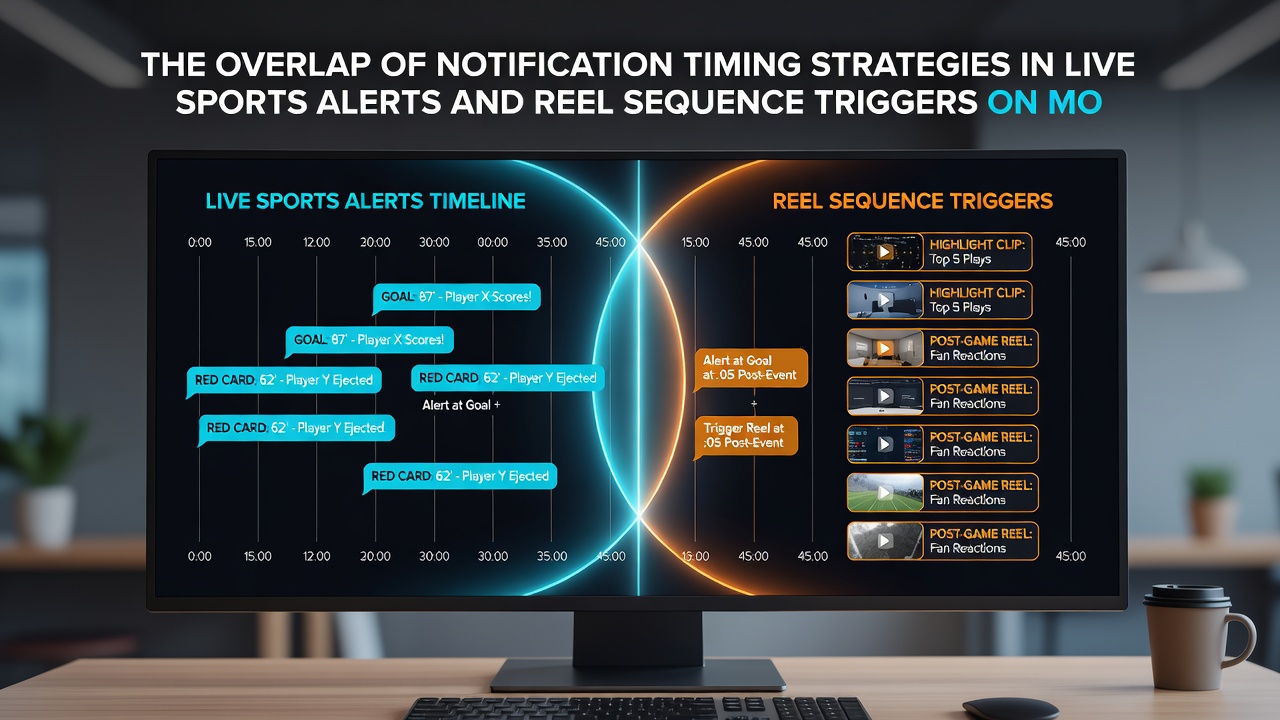
Product teams have begun to apply identical A/B testing frameworks to both sports alerts and reel sequences. Variables tested include initial delay after app launch, minimum time between consecutive notifications, and dynamic adjustment based on user interaction history. One analysis released in September 2026 by a Canadian research consortium demonstrated that a unified timing model improved session length across both sports and video apps by 7 percent on average. The model adjusts notification frequency according to time of day and device battery level, two factors that affect user tolerance regardless of content category. Because the underlying sensor data and machine-learning pipelines are already present on the device, extending the same logic from one domain to the other requires minimal additional code.
Regulatory bodies in several regions have started to examine these practices. The Australian Communications and Media Authority published guidelines in mid-2026 that encourage transparent disclosure of notification frequency settings. Similar discussions appear in policy papers from the European Commission’s digital services unit. Although the documents focus primarily on user control and data privacy, they reference timing parameters as a factor that influences how often users encounter commercial or promotional content embedded inside sports updates or video sequences.
Device-Level Constraints and Platform Differences
Operating system limits on background refresh and notification grouping affect both sports alerts and reel triggers. iOS imposes stricter throttling after a user ignores several notifications, while Android allows more granular channel-level controls. Developers therefore maintain separate timing tables for each platform, yet the target intervals remain numerically close. Observers note that cross-platform consistency helps maintain comparable engagement metrics, which in turn supports unified advertising models that span sports and entertainment verticals.
Conclusion
The overlap between notification timing strategies for live sports alerts and reel sequence triggers stems from shared constraints in human attention, device capabilities, and algorithmic optimization. Research groups and platform operators continue to refine these intervals through ongoing experimentation, guided by data that spans both content categories. As mobile usage patterns evolve, the same technical principles are expected to guide future adjustments in both domains.